James Webb detects water on a comet
Another clue to how water may have come to Earth
Foto: NASA/ESA
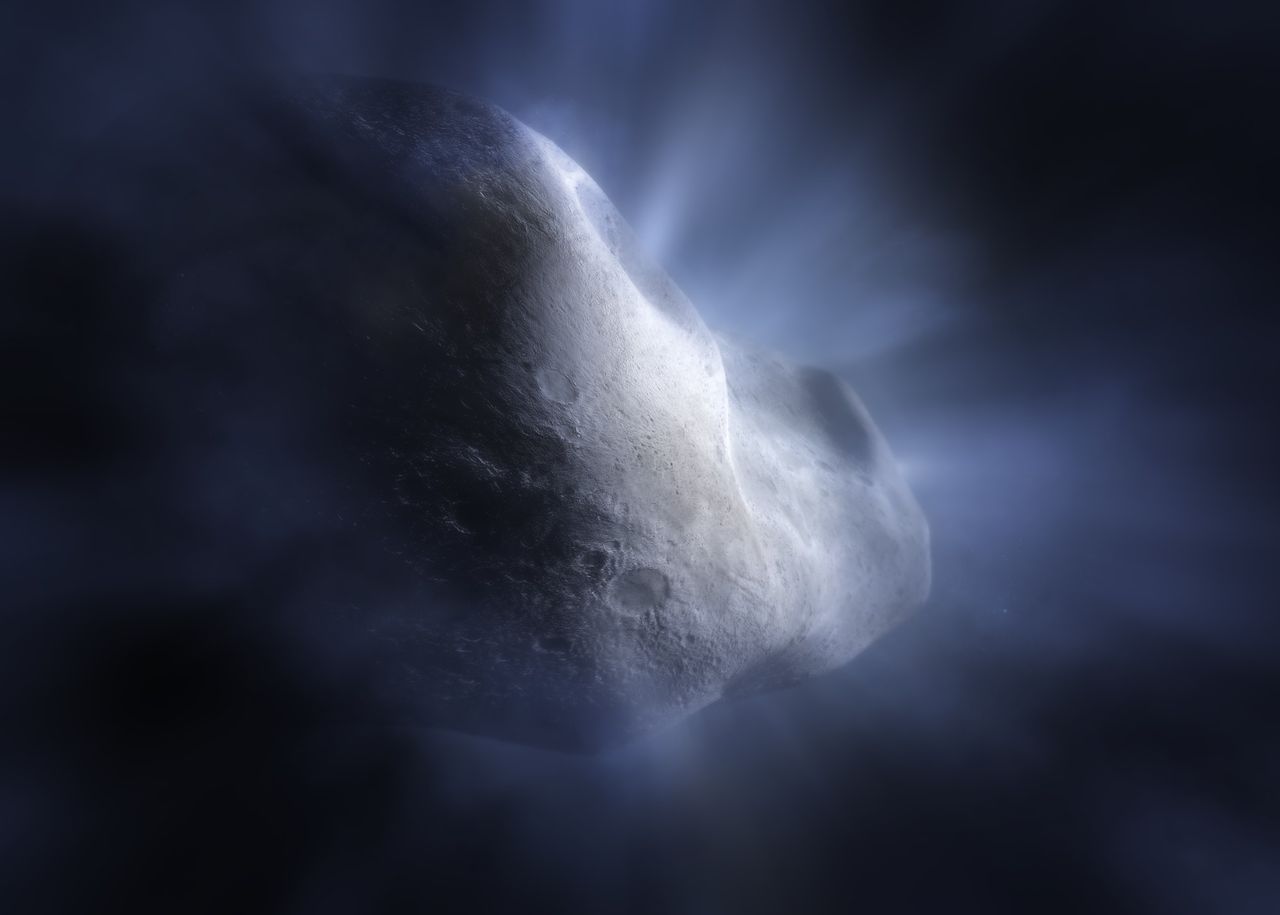
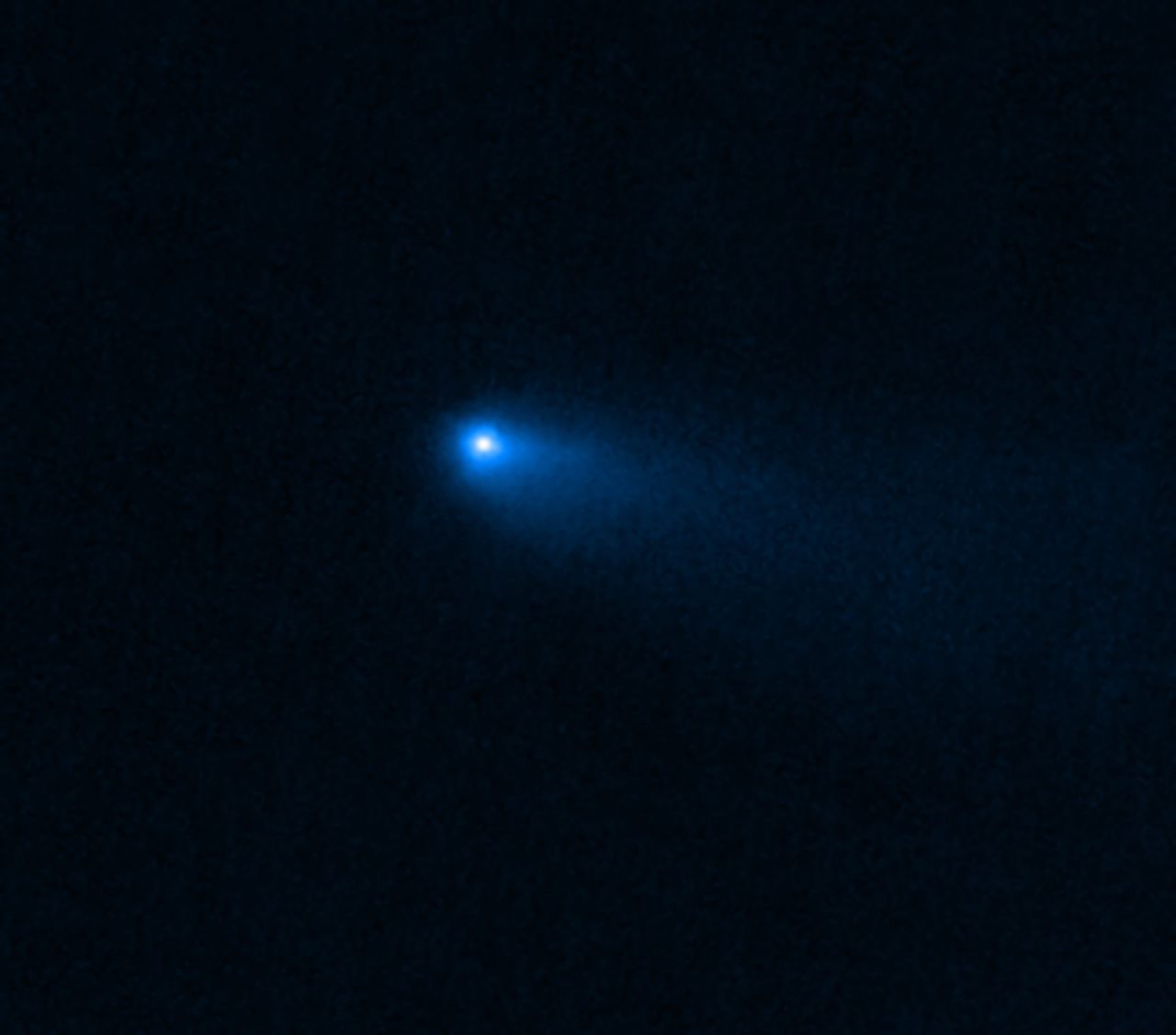
James Webb continues to explore space and now astronomers have discovered water vapor on a comet using the space-based super telescope.Comet 238P/Read is located in the main asteroid belt, the large asteroid belt between Mars and Jupiter approximately 200-300 million kilometers from Earth. Based on the observed water vapor around the comet, it is believed that it partially consists of ice. This is the first time astronomers have observed water vapor around a comet in the asteroid belt, proving that water can exist as ice in the region. Scientists say it is a breakthrough as it can help them understand how water once came to Earth."Our water-soaked world, teeming with life and unique in the universe as far as we know, is something of a mystery – we’re not sure how all this water got here. Understanding the history of water distribution in the Solar System will help us to understand other planetary systems, and if they could be on their way to hosting an Earth-like planet," says Stefanie Milam, Webb Deputy Project Scientist for Planetary Science.Above is an illustration of Comet 238P/Read and below is an image of the comet photographed by the James Webb telescope's NIRCam (Near-InfraRed Camera). Below is also a video clip from Ted-Ed discussing various theories about how water once made its way to Earth.
esawebb.org
Science,
James Webb,
Comet 238P/Read,
water vapor,
ice,
planetary science
Foto: NASA/ESA
37.0°
0Wille Wilhelmsson
tis. 16 maj 2023, 12:30
+
Per månad
39 kr
Betala löpande per månad. Ingen bindningstid.
Starta prenumeration
Per år
299 kr
Enklast och billigast, bara 25 kronor i månaden. Betala löpande per år. Ingen bindningstid.
Prova 14 dagar gratis innan du bestämmer dig.
Starta gratis provperiod
Engångsköp
349 kr
Slipp återkommande betalningar, betala ett år i taget. Betala med kort eller Swish.
Köp utan prenumeration